Your step-by-step plan for healthier drinking, urination and bowel habits, built by pediatric specialists.
You can start immediately. Keep a free bladder diary to update your training plan based on your bladder habits.
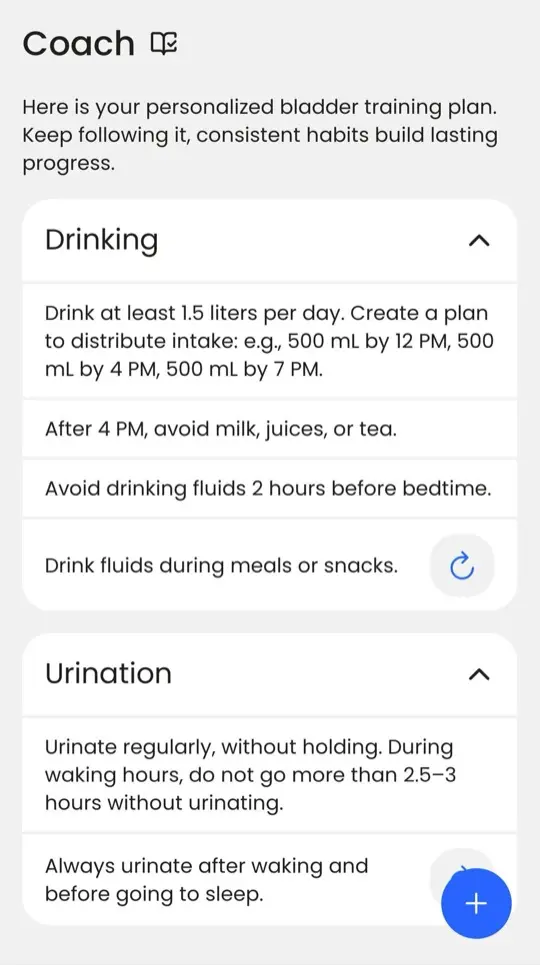
You don’t need a bladder diary to begin. Coach starts with practical guidance straight away, and your diary lets it update your training plan to the habits you actually record.
Unlock Bladder Habit Builder and get practical guidance for drinking, urination and bowel habits immediately. No diary is needed to start.
Preview the training planRecord drinking, urination, leaks and bowel habits. Two days and three nights of bladder tracking give Coach enough data to update your training plan.
How the free diary worksOnce your diary is complete, Coach uses your measured bladder habits to update your training plan.
What Checkpoint addsThe bladder and stool diary stays free and unlimited, before and after you unlock Bladder Habit Builder.
Bladder and bowel habits influence each other, so Coach never treats them separately.
How much you drink matters, but when you drink can matter just as much. Coach suggests a daily fluid amount, how to spread it across the day, and provides guidance for evening drinking when relevant.
Examples
When and how you urinate both matter. Coach provides practical guidance on timing, regularity of toilet visits, personalized posture with step-by-step video guide and bladder-emptying habits.
Examples
Healthy bowel routines are an important part of healthy bladder habits. Coach provides practical guidance on regular toilet visits, taking enough time, and good toilet posture with step-by-step video guidance.
Examples
Some bladder and bowel habits are easier to show than to explain. Coach includes step-by-step visual guidance for specific exercises, toilet positions and bowel routines, so the training plan is easier to follow at home.

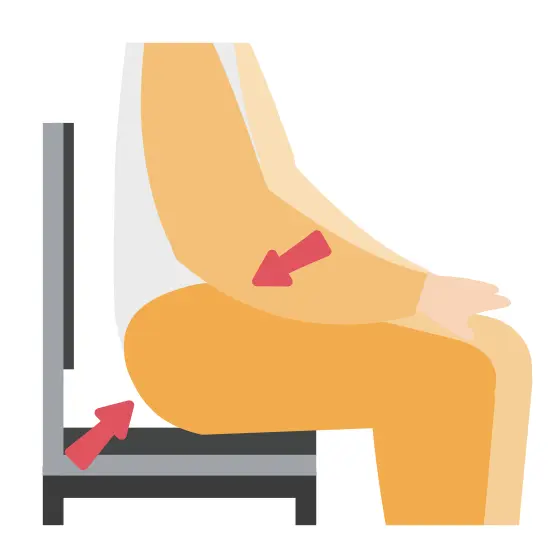
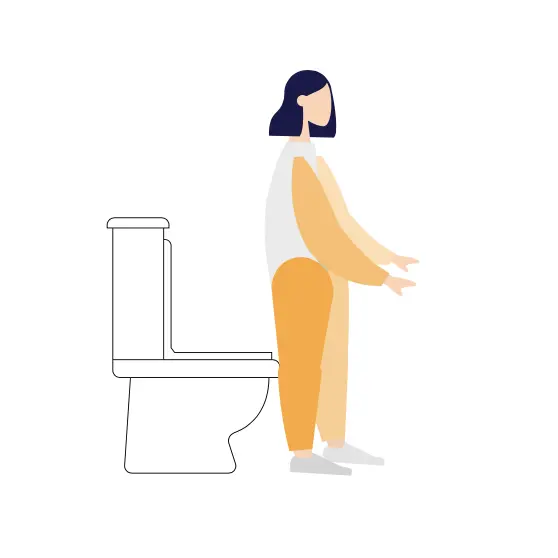
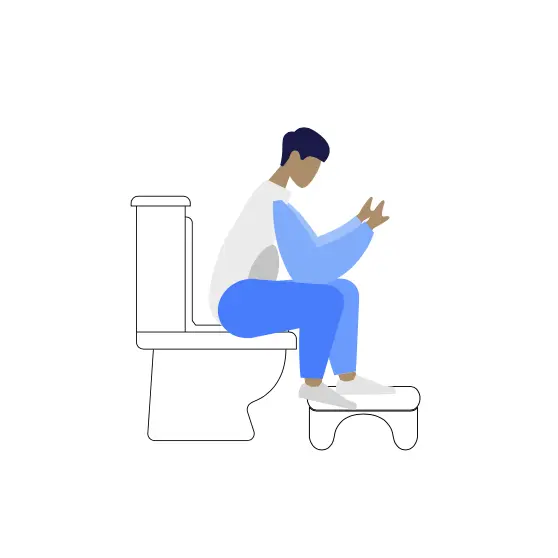
Each step is a short animation inside Coach. It does not just tell families what to do — it shows them how.
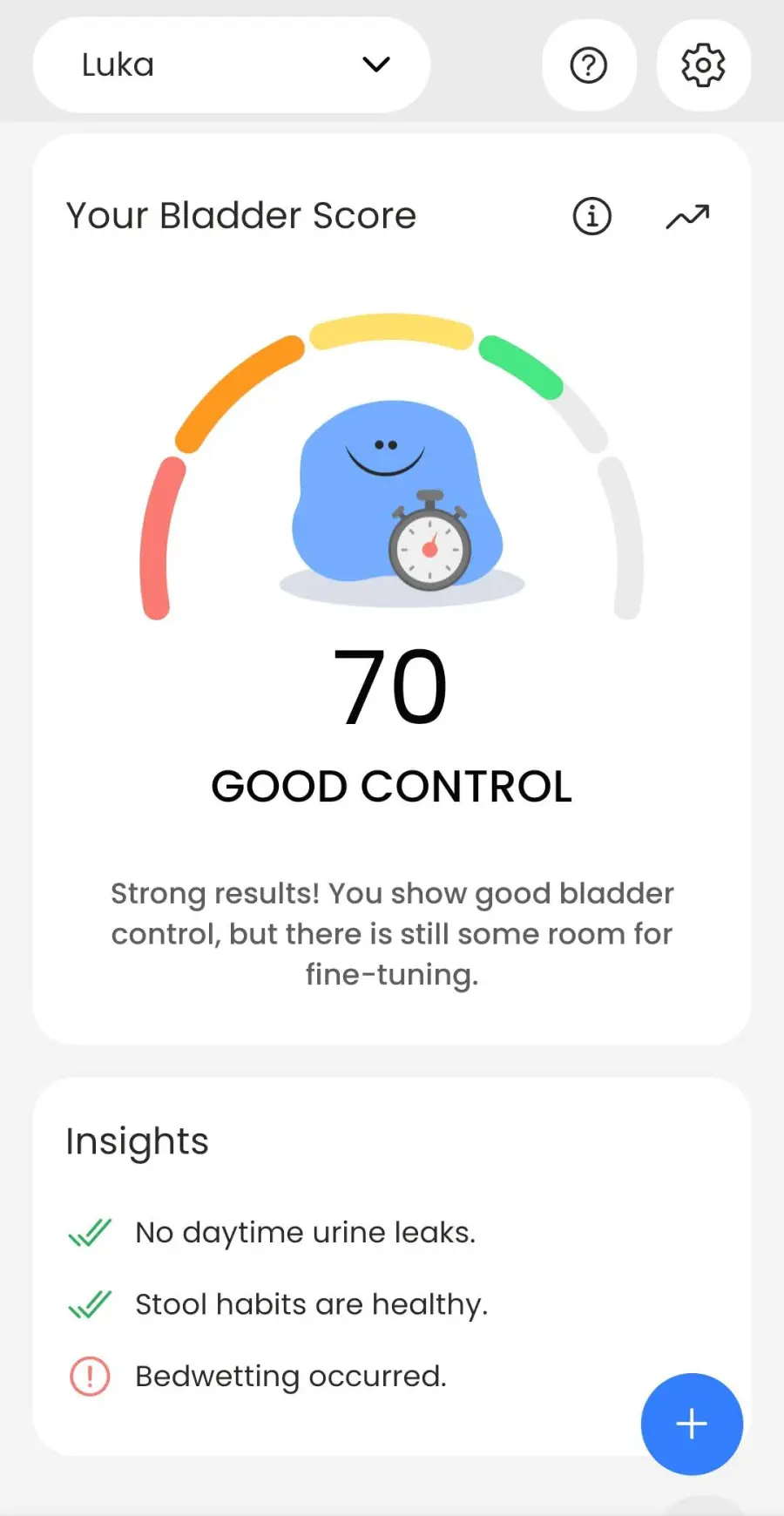
After you complete a bladder diary, Checkpoint combines your diary measurements with questions about bladder and bowel symptoms. It calculates Your Bladder Score, highlights areas that may need attention, and recognizes habits that are already on track.
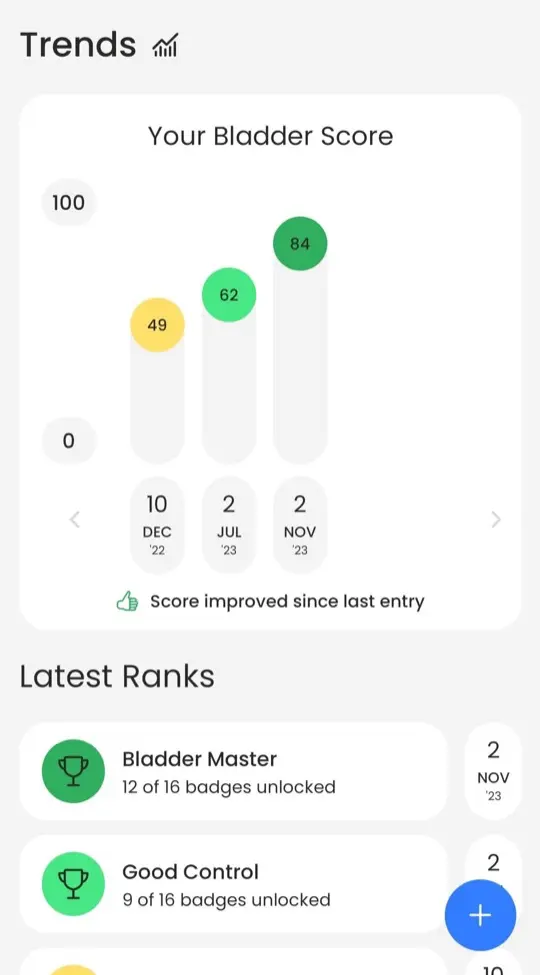
Repeat a Checkpoint after each new diary, and Trends shows how your bladder habits change over time.

Coach was developed by Dr. Slaven Abdović, a pediatric nephrologist working at Children’s Hospital Zagreb in Croatia. His clinical work includes urotherapy, urodynamics, and caring for children with daytime incontinence and bedwetting.
He is board certified by the European Society for Paediatric Nephrology and developed the overactivity index, a published measure that Checkpoint uses to interpret bladder diary data.
The guidance in Coach comes from the same principles and practical advice used with families in clinical practice, translated into a structured, step-by-step format that can be followed at home.
Coach grew from an idea I first explored in clinical practice: could a bladder diary be turned into practical guidance families could follow at home? These are three moments from the journey that followed.
So if the diary can deliver data on the cause of LUTS, then a smart and carefully designed algorithm could deliver personalized remote urotherapy — that was the plan. An excellent part about urotherapy is that it is regularly investigated in clinical studies, which have shown similar outcomes to pharmacotherapy.
This was for sure the lowest point in the life of my app: I had already stretched too thin, and my financial commitments had exceeded the safe zone. It was the point where I was sure just a moment separated me from failure, unless some miracle happened.
In the outpatient clinic, with a child sitting in front of me, I would open the file and type in the age, the gender, the weight. Excel would calculate how often this child should be peeing and how much they should be drinking, and I would walk through the appropriate sheet to choose interventions.
We wanted to know whether Coach could reproduce the urotherapy guidance an experienced specialist would provide from the same bladder diary. We tested it using 46 anonymized case models, each with a diary, Checkpoint results, and a plan written by an incontinence specialist. Two pediatric nephrologists independently reviewed the results.
of plans matched the specialist-written urotherapy plan. In 19.6% of cases, reviewers considered the training plan better than the original
of cases were expected by reviewers to improve after three months of consistently following the plan
of cases were expected by reviewers to show substantial improvement
Reviewers found no incorrect or harmful guidance in 97.8% of cases; the single flagged item was traced to a bug in the selection logic and corrected. The last two figures are expert expectations recorded during concept validation, not measured treatment outcomes — Coach has not been tested in a clinical trial. Read the full validation story →
Standard urotherapy is usually given at least four to six weeks before its effect can be judged. That is a long time to work without feedback, which is what Trends is for.
Each time you create a new Checkpoint, Trends records the score alongside the previous ones, so change is visible as a line rather than a feeling. Ranks and the number of badges unlocked are listed the same way.
This matters for adherence more than it sounds. Families who can see a score move from one Checkpoint to the next are far more likely to keep going through the weeks when nothing else has obviously changed yet.
Different bladder problems can look similar at first. See how Diary, Checkpoint, Coach and Trends work together in three example situations.
Wet every night since potty training, with no daytime symptoms at all. He sleeps deeply and never wakes.
See how BeDRY workedDry until she was seven, then urgency several times a day and leaks she hides with pads at school. Nights that were dry for years are wet again.
See how BeDRY workedA coin-sized wet spot on his underwear after almost every visit to the toilet. Urgency too, mostly after coffee or juice.
See how BeDRY workedThese are constructed teaching examples written by Dr. Slaven Abdović, not real patients. See all case examples →
Your first training plan is available immediately. Keeping a diary lets Coach update it from the habits you actually record.
Coach supports everyday drinking, toilet and bowel routines. It does not identify a condition or replace treatment recommended by your doctor.
Your Diary and Summary remain free, so you can share them with your doctor whenever you need to.
The guidance follows standard urotherapy as described by the International Children’s Continence Society.
Unlocks unlimited use of Checkpoint, Coach and Trends for one child profile. Unlocking Bladder Habit Builder for multiple profiles requires additional purchases.
Bladder Habit Builder — €29Checkpoint and Coach are educational features, not medical advice. Consult a healthcare professional for medical decisions.
 BeDRY
BeDRY